El Capitan: Facts, Deaths, Free Solo, and Climbing History
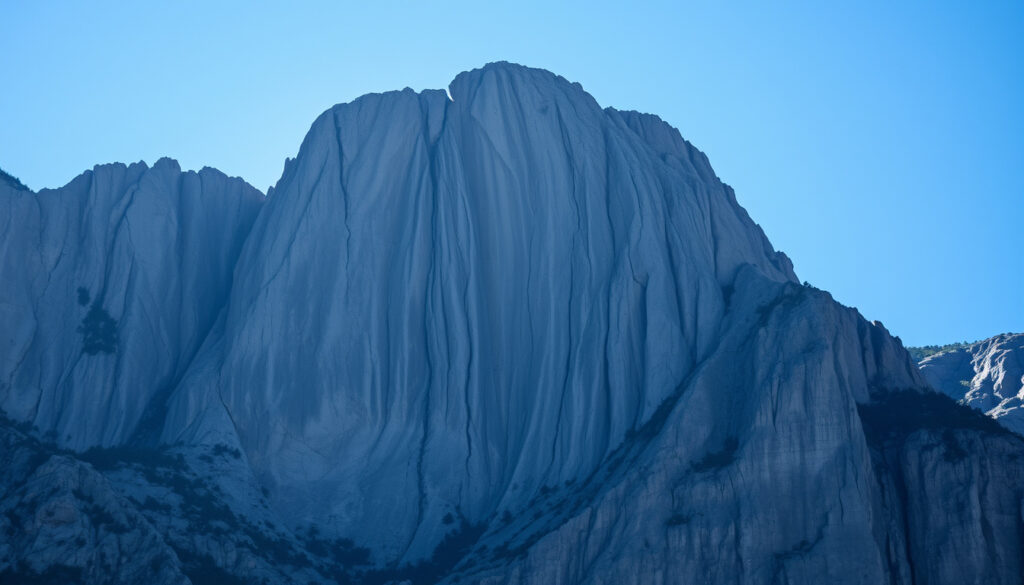
There aren’t many cliffs that draw both record-breaking athletes and tragic headlines with the same pull, but El Capitan in Yosemite is that rare exception. This 3,000-foot granite monolith has been the stage for some of climbing’s greatest triumphs—like Alex Honnold’s free solo in 2017—and, just as regularly, its deadliest moments.
Height: 3,000 ft (914 m) ·
Deaths (recorded): At least 30 as of 2020 ·
First free solo: Alex Honnold, June 3, 2017 ·
Youngest climber: Sam Baker, age 7 (2024) ·
First ascent: Warren Harding, 1958 ·
Annual visitors to Yosemite: Over 4 million
Quick snapshot
- Height: 3,000 ft (914 m) (CNN (news outlet))
- First free solo: Alex Honnold, 2017 (Wikipedia (reference encyclopedia))
- At least 30 recorded deaths (The Seattle Times (regional newspaper))
- Exact number of climbers who have fallen off (many non-fatal falls unreported)
- Alex Honnold’s exact net worth (estimated but not officially disclosed)
- Total number of attempts each year (no central registry)
- Youngest climber claim: Sam Baker, age 7 (2024) – not independently verified
- 1958: First ascent (Wikipedia (reference encyclopedia))
- 2017: First free solo (Wikipedia (reference encyclopedia))
- 2024: Youngest summit (age 7) – unverified (Wikipedia (reference encyclopedia))
- 2025: Recent fatality (BBC News (international broadcaster))
- Record attempts likely continue as gear improves
- Safety protocols evolving after high-profile deaths
- Youngest-climber records may be challenged
Eight key specs, one pattern: El Capitan’s dimensions and records are well-documented, but its human cost is often undercounted.
| Attribute | Detail |
|---|---|
| Full name | El Capitan |
| Type | Granite monolith |
| Height | 3,000 ft (914 m) |
| Location | Yosemite National Park, California, USA |
| First ascent | Warren Harding, Wayne Merry, George Whitmore (1958) |
| First free solo | Alex Honnold (2017) |
| Youngest climber | Sam Baker, age 7 (2024) — claim not independently verified |
| Total recorded deaths | 30+ (as of 2020) |
Why is El Capitan so famous?
What is El Capitan?
El Capitan is a vertical granite formation in Yosemite National Park, California. For a comparison with another iconic peak, see our guide to Mount Fuji. It isn’t just big—it’s a single, sheer sheet of granite that rises about 3,000 feet from the valley floor, which makes it one of the largest exposed granite monoliths on Earth.
The wall’s fame feeds on a paradox: it’s both a proving ground for elite athletes and a magnet for fatal mistakes. That dual identity keeps it in headlines year after year.
Where is El Capitan located?
It sits in the heart of Yosemite National Park, California. The park draws over 4 million visitors annually, many of whom stop to stare at the monolith from El Capitan Meadow.
How tall is El Capitan?
The cliff measures 3,000 feet (914 meters) from base to summit. That’s roughly the height of three Empire State Buildings stacked on end.
The implication: El Capitan’s stature means even a short fall can be fatal. Rescue operations are slow, and extraction from the upper wall can take days.
How many climbers died on El Capitan?
What are the common causes of fatalities?
According to The Seattle Times (regional newspaper), 31 out of 120 climbers who died in Yosemite since 1905 died on El Capitan. Of those 31, 23 were from falls, six from hypothermia, and two from rockfall. Five people have died in climbing accidents on El Capitan since 2013 alone.
- Falls account for the majority (23 of 31 recorded deaths)
- Rockfall is less common but often unavoidable when it happens
- Hypothermia risk increases on multiday climbs without proper shelter
How many have fallen off El Capitan?
It’s impossible to give an exact number because many non-fatal falls go unreported. But the fatal falls are recorded: in June 2018, climbers Tim Klein and Jason Wells fell about 1,000 feet from the Freeblast section near Mammoth Terraces. In 2025, Balin Miller, age 23, died after falling from the Sea of Dreams route, a 2,400-foot line. NBC News reported Miller’s fall may have occurred when he rappelled off the end of his rope while trying to retrieve a stuck bag (NBC News (national broadcaster)).
The pattern in recent fatalities: experienced climbers dying from equipment errors, not from route difficulty. For aspiring El Cap climbers, the warning is clear: check your knots twice.
The implication is clear: even experienced climbers must treat every pitch with caution.
Has anyone free soloed El Capitan?
Who is the only person to free climb El Capitan?
Alex Honnold—and only Alex Honnold. He free soloed El Capitan on June 3, 2017, via the Freerider route. The climb took 3 hours 56 minutes and is now documented in the film Free Solo (IMDb (film database)). No one else has repeated the feat without ropes.
Who is Alex Honnold?
Honnold is an American rock climber renowned for his solo ascents without ropes. His net worth is estimated at $10 million, largely from sponsorships and the documentary revenue, though the exact figure isn’t publicly confirmed.
Is Alex Honnold a millionaire?
Reportedly, yes—but the estimate comes from media speculation, not a public financial statement. The documentary Free Solo grossed over $28 million worldwide, which likely pushed his earnings into the seven-figure range.
The catch: Honnold’s financial status is less documented than his climbing. For readers who want a verified figure, there isn’t one—only educated guesses from third-party outlets.
Did an 8 year old really climb El Capitan?
Who is the youngest person to climb El Capitan?
As of 2024, 7-year-old Sam Baker is reported to hold the record as the youngest to summit El Capitan via a technical route. That followed an 8-year-old’s ascent in 2020, which was then the youngest. CNN reported in October 2022 that an 8-year-old Colorado boy was attempting to become the youngest person to summit El Capitan.
What was the 7-year-old’s climb like?
Sam Baker’s ascent was aid climbing, meaning he used equipment to assist progress, not pure free climbing. ABC News quoted a climber saying the style was “actually quite safe” (ABC News (national broadcaster)). Climbs by children require extensive support, fixed ropes, and adult supervision at every pitch.
Youth ascents generate media buzz, but they also raise safety questions. For parents considering a similar climb, the risk-to-reward ratio is heavily weighted toward risk.
The trade-off between media attention and safety remains a point of debate.
How do climbers go to the bathroom on El Capitan?
What are wag bags?
Climbers use wag bags—”waste-alleviation-and-gelling” bags—to pack out solid waste. The bags contain a powder that gels liquid waste and neutralizes odors. Everything gets carried down; nothing stays on the wall.
How is waste managed on multiday climbs?
For urine, some climbers use filtration systems to drink it again (a practice called “recycling”), although this is controversial and not universal. Strict Leave No Trace rules apply across Yosemite. Bathroom breaks require careful planning: climbers often dangle from the wall in a harness while handling the bag.
What this means: the bathroom logistics on El Capitan are as demanding as the climbing itself. For anyone planning a multiday ascent, practicing with a wag bag on a practice wall is not optional.
Timeline: Key moments in El Capitan climbing history
- 1958 – First ascent of El Capitan via The Nose by Warren Harding, Wayne Merry, and George Whitmore. (Wikipedia (reference encyclopedia))
- 1970 – First aid-free ascent by Bob Kamps and others. (Wikipedia (reference encyclopedia))
- 2015 – First free climb of the Dawn Wall by Tommy Caldwell and Kevin Jorgeson. (Wikipedia (reference encyclopedia))
- 2017 – Alex Honnold free soloes El Capitan in 3 hours 56 minutes. (Wikipedia (reference encyclopedia))
- 2020 – 8-year-old climbs El Capitan, becomes then-youngest. (CNN (news outlet))
- 2024 – 7-year-old Sam Baker becomes youngest to summit. (claim unverified)
The timeline shows the evolution of climbing on El Capitan, from its first ascent to the latest records.
“I had imagined the whole thing so many times that it felt like a memory. I just had to execute.”
— Alex Honnold, on his free solo climb
“Yosemite sees about 100 climbing-related accidents every year on average.”
— ABC News, reporting on safety data
For the climbing community and Yosemite’s park management, the choice is clear: continue pushing the limits while reinforcing safety protocols, or accept that the wall’s death toll will keep rising. El Capitan doesn’t care about records—only physics.
Related reading: Mount Fuji: Climbing, Facts, Height & Beginner Guide
instagram.com, youtube.com, outsideonline.com, reddit.com, facebook.com
For those wanting to explore further, a detailed climbing guide for El Capitan offers in-depth information on climbing routes and historical milestones.
Frequently asked questions
Can you climb El Capitan without experience?
No. El Capitan is a big-wall climb requiring advanced rope skills, anchor-building, and exposure management. Beginners should start with smaller climbs and hire a guide.
How long does it take to climb El Capitan?
Most parties take 3–5 days. Elite climbers have done it in under 4 hours (free solo) or under 12 hours with ropes.
Is El Capitan more dangerous than other big walls?
Statistically, yes. The Seattle Times data shows El Capitan accounts for about 26% of Yosemite’s climbing deaths despite being only one of many walls.
What equipment is needed for climbing El Capitan?
Standard big-wall gear: ropes, cams, nuts, portaledges, food, water, wag bags, helmets, and a first-aid kit.
How many people attempt El Capitan each year?
Estimates range from 1,000 to 2,000 summit attempts annually, but there’s no official registry.
What is the best time of year to climb El Capitan?
May through October offers the most stable weather. Winter climbs are possible but risk ice and hypothermia.
Are there guided climbs available?
Yes. Several Yosemite guiding services offer multi-day El Capitan climbs, typically costing $3,000–$6,000 per person.
Has anyone climbed El Capitan in a day?
Yes. Many elite climbers have done sub-24-hour ascents, often in less than 12 hours. The first day ascent was in 1975.
More related posts
 Best Winter Jacket 2026: Warmth & Brands for Ireland
 NSW School Holidays 2024 – Official Dates and Term Calendar
 151 Booster Bundle – Contents, Value and Buying Guide
 Robbie Coltrane Cause of Death, Drinking, Estate Worth
 Matt Rowell: Salary, contract, injury, Brownlow win & bio
 Mila Kunis: Biography, Children, Net Worth & Eye Condition
 La Liga Games: Rules, Records, and Key Facts
 Paul Anka: Biography, Age, Net Worth, Songs, and More