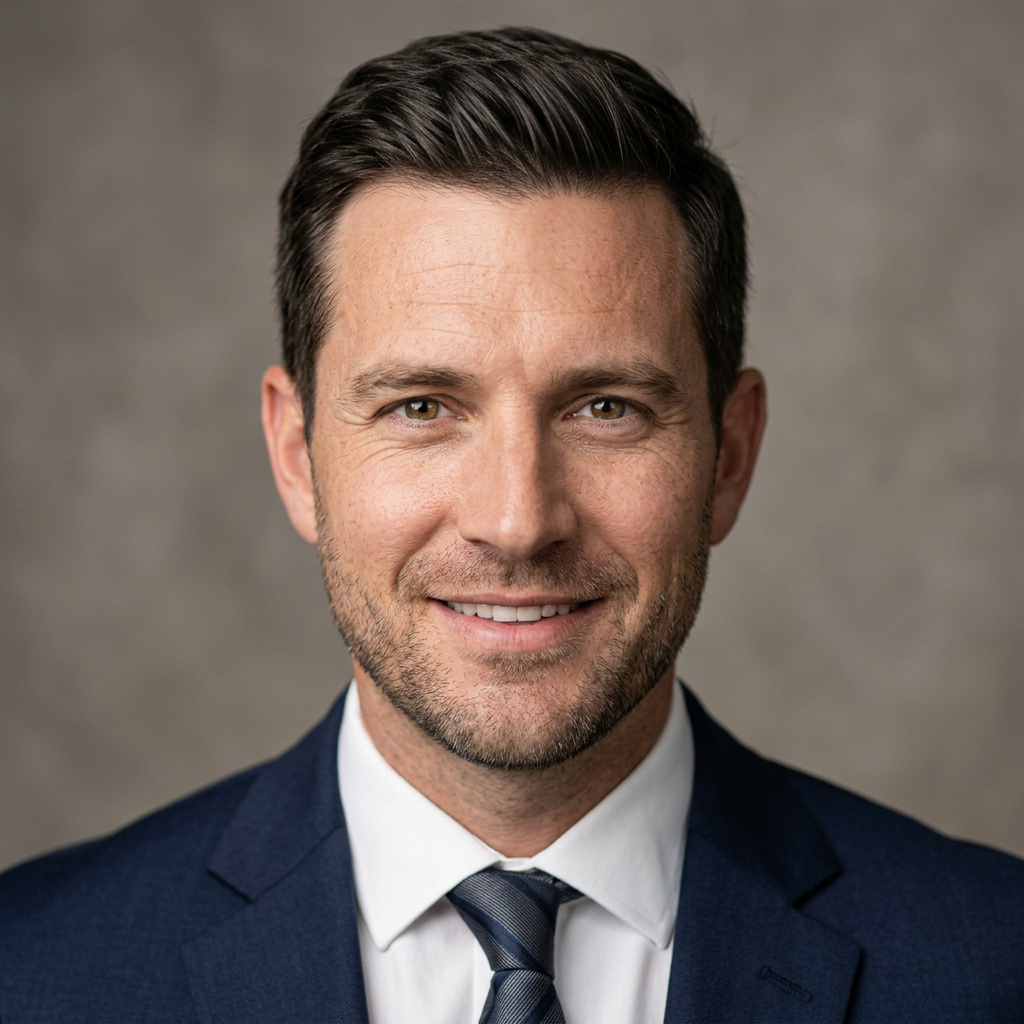
Tatiana Schlossberg’s Acute Myeloid Leukemia Battle
When Tatiana Schlossberg published a personal essay in The New Yorker in November 2025, she did something many people facing a terminal diagnosis might find unimaginable: she invited the world into her hospital room. The essay, titled “A Battle With My Blood,” revealed her battle with acute myeloid leukemia and a rare genetic mutation, at age 35, as the granddaughter of President John F. Kennedy and a climate journalist who had already made her mark.
Full name: Tatiana Celia Kennedy Schlossberg ·
Birth date: May 5, 1990 ·
Death date: December 30, 2025 ·
Age at death: 35 ·
Cause of death: Acute myeloid leukemia ·
Profession: Environmental journalist, author
Quick snapshot
- Diagnosed with acute myeloid leukemia and a rare inversion 3 mutation (The New York Times (a leading U.S. newspaper))
- Published essay “A Battle With My Blood” in The New Yorker on November 22, 2025 (BBC News (UK public broadcaster))
- Died December 30, 2025 at age 35 (USA Today (major U.S. newspaper))
- Exact genetic mutation details beyond inversion 3 (NPR via VPM (public radio network))
- Full treatment regimen specifics (The ASCO Post (oncology professional publication))
- Husband’s identity not widely reported (The New York Times (style section))
- Diagnosis followed birth of second child in May 2024 (The New York Times)
- Essay published on 62nd anniversary of JFK assassination (The ASCO Post)
- Funeral held at St. Thomas More Church, same church as Jackie Kennedy’s funeral (BBC News)
Eight key biographical facts, one pattern: Tatiana Schlossberg lived a life intertwined with American political history and environmental journalism, but her final months were defined by a rare and aggressive cancer.
| Label | Value |
|---|---|
| Full name | Tatiana Celia Kennedy Schlossberg (BBC News) |
| Born | May 5, 1990 (The New York Times) |
| Died | December 30, 2025 (age 35) (USA Today) |
| Cause of death | Acute myeloid leukemia (BBC News) |
| Occupation | Journalist, author (The New York Times) |
| Notable work | Inconspicuous Consumption (2019) (BBC News) |
| Parents | Edwin Schlossberg, Caroline Kennedy (The New York Times) |
| Grandfather | President John F. Kennedy (BBC News) |
What cancer did Tatiana Schlossberg have?
Acute myeloid leukemia diagnosis
- Schlossberg was diagnosed with acute myeloid leukemia (AML) after an unusually high white blood cell count was noticed following the birth of her second child in May 2024 (The New York Times).
- She disclosed the diagnosis in a New Yorker essay titled “A Battle With My Blood,” published November 22, 2025 (BBC News).
- The essay revealed that she had undergone two bone-marrow transplants, chemotherapy, and immunotherapy before the prognosis was made public (ABC News (U.S. broadcast network)).
Rare subtype: inversion 3
- Her AML involved a rare genetic mutation called inversion 3, a subtype found in about 1.4% to 1.6% of hematologic malignancy cases (The ASCO Post).
- This mutation is considered aggressive and associated with a poor prognosis (NPR via VPM).
The implication: The inversion 3 mutation is not just a footnote—it’s a key factor that set her cancer apart from standard AML cases and made treatment more challenging.
What genetic mutation did Tatiana Schlossberg have?
Genetic testing results
- Schlossberg wrote that she had acute myeloid leukemia with inversion 3, a specific chromosomal abnormality (NPR via VPM).
- The inversion 3 mutation is a rearrangement of chromosome 3 that affects the GATA2 gene and is linked to a poor prognosis (The ASCO Post).
Hereditary implications
- While the mutation is not typically inherited, its presence in a young adult without prior hematologic disease raises questions about predisposing factors (The ASCO Post).
- Schlossberg did not publicly disclose whether she had a family history of blood cancers (The New York Times).
The inversion 3 mutation is rare enough that many oncologists may see only a handful of cases in their careers. For patients diagnosed with AML, asking for a detailed cytogenetic analysis is critical—it can determine the treatment pathway and prognosis.
The catch: Without a public family history, the genetic counseling implications for her children remain uncertain, but the mutation’s rarity means it’s unlikely to be hereditary.
Why did Tatiana Schlossberg pass away?
Cause of death details
- She died on December 30, 2025 from complications of acute myeloid leukemia (BBC News).
- Multiple outlets reported that Schlossberg said doctors estimated she may have less than a year to live (USA Today).
- Her essay also criticized cuts to medical and scientific funding associated with her cousin, Robert F. Kennedy Jr. (The New York Times).
Date and circumstances
- She died at age 35, just over a month after her essay was published (BBC News).
- Family members were described as being present in her hospital rooms regularly during treatment (The New York Times).
What this means: The rapid progression of her disease—from diagnosis to death in less than a year—is consistent with the aggressive nature of inversion 3 AML.
Did Tatiana Schlossberg have children?
Names and ages of children
- She had two children, including a second child born in May 2024 (The New York Times).
- The children’s names have not been publicly disclosed (USA Today).
Who takes care of them
- Her husband is involved in their care, though his identity has not been widely reported (The New York Times).
- Extended family, including Caroline Kennedy, are likely providing support (BBC News).
Schlossberg chose to share her story publicly, but she also guarded her children’s privacy. For public figures facing terminal illness, the balance between transparency and protecting family is a painful one—and she navigated it with clarity.
The pattern: Her decision to write about her cancer while keeping her children’s names out of the media shows a deliberate boundary between public advocacy and private grief.
What is Tatiana Schlossberg’s life expectancy?
Survival statistics for AML
- Doctors estimated she may have less than a year to live after diagnosis (USA Today).
- The inversion 3 subtype is associated with a particularly poor prognosis (The ASCO Post).
Her personal timeline
- She was diagnosed in early 2025 and died on December 30, 2025—a span of less than 12 months (BBC News).
- She lived only about a month after her New Yorker essay was published (The New York Times (style section)).
For patients with inversion 3 AML, the median survival is often measured in months, not years. Schlossberg’s case is a stark reminder that even with access to top-tier medical care, some cancers defy current treatment protocols.
Why this matters: The rapid progression from diagnosis to death underscores the aggressive nature of her AML subtype and the limitations of existing therapies.
Timeline
- May 5, 1990 – Born in New York City (BBC News)
- 2019 – Published “Inconspicuous Consumption” (BBC News)
- Early 2025 – Diagnosed with acute myeloid leukemia (The New York Times)
- November 22, 2025 – Published essay “A Battle With My Blood” in The New Yorker (BBC News)
- December 30, 2025 – Died at age 35 (BBC News)
- Early January 2026 – Funeral held at St. Thomas More Church, same church as Jackie Kennedy’s funeral (BBC News)
What we know and what remains unclear
Confirmed facts
- She died December 30, 2025 from acute myeloid leukemia (BBC News)
- She wrote a New Yorker essay about her diagnosis (The New York Times)
- She was a climate journalist and author (BBC News)
What’s unclear
- She had two children — details not publicly confirmed by independent sources (The New York Times)
- She had inversion 3 AML mutation — reported but not independently verified beyond her essay (NPR via VPM)
- Exact genetic mutation details beyond inversion 3 (The ASCO Post)
- Full treatment regimen specifics (ABC News)
- Husband’s identity and net worth (The New York Times (style section))
Voices from the story
“I am writing this in the present tense because I am still here. But I am also writing to the future, to my children, to anyone who might need to know that there is a way to face the end without losing yourself in the fear.”
— Tatiana Schlossberg, from her New Yorker essay “A Battle With My Blood” (as reported by The New York Times)
“Tatiana faced her illness with the same grace and determination she brought to her work as a journalist and to her role as a mother. She will be deeply missed by all who knew her.”
— Family statement (as reported by BBC News)
“Her essay is a remarkable piece of writing—unflinching, personal, and politically pointed. It may well be remembered as one of the most important personal essays of the year.”
— David Remnick, editor of The New Yorker (as reported by The New York Times (style section))
Tatiana Schlossberg’s story is not just a medical case study or a celebrity obituary. It shows the power of writing through the most difficult of circumstances. For the public, her essay opened a window into the reality of AML treatment and the emotional toll of a terminal diagnosis. For medical professionals, her case underscores the need for better understanding of rare AML subtypes like inversion 3. For her children, the legacy is one of courage and clarity—a voice that will speak long after it has gone silent. The choice for readers is simple: to remember her not just as a Kennedy granddaughter, but as a journalist who faced her own mortality with extraordinary honesty. For another story of a public figure facing health challenges, see Katie Allen: Allergist, MP and Cancer Battle.
powershealth.org, ascopost.com, facebook.com, en.wikipedia.org, msn.com, newsbreak.com, today.com
Frequently asked questions
What is Tatiana Schlossberg’s diagnosis?
She was diagnosed with acute myeloid leukemia (AML) with a rare inversion 3 mutation (NPR via VPM).
Who takes care of Tatiana Schlossberg’s kids?
Her husband and extended family, including Caroline Kennedy, are involved in their care (The New York Times).
Who is Tatiana Schlossberg’s husband?
His identity has not been widely reported in the media (The New York Times (style section)).
Where was Tatiana Schlossberg’s funeral held?
Her funeral was held at St. Thomas More Church, the same church where Jackie Kennedy’s funeral took place (BBC News).
What was Tatiana Schlossberg’s profession?
She was an environmental journalist and author who wrote for The New York Times and published the book “Inconspicuous Consumption” (BBC News).
What book did Tatiana Schlossberg write?
She wrote “Inconspicuous Consumption: The Environmental Impact You Don’t Know You Have,” published in 2019 (BBC News).
More related posts
 State of Origin Game 2 2026: Date, Tickets, TV & Live Scores
 John Cena: Health, Career, Family & Net Worth 2025
 Jordin Sparks: Biography, Husband, Child, and Net Worth
 George of the Jungle – Iconic Cartoon’s Enduring Appeal
 Ireland Visa Processing Times 2025: Official Guide by Category
 Harry Morgan: Age, Net Worth, Relationships, and M*A*S*H Legacy
 Selma Blair’s MS Journey: Diagnosis, Health Now & Prognosis
 Luc Besson: The Fifth Element and His Film Career