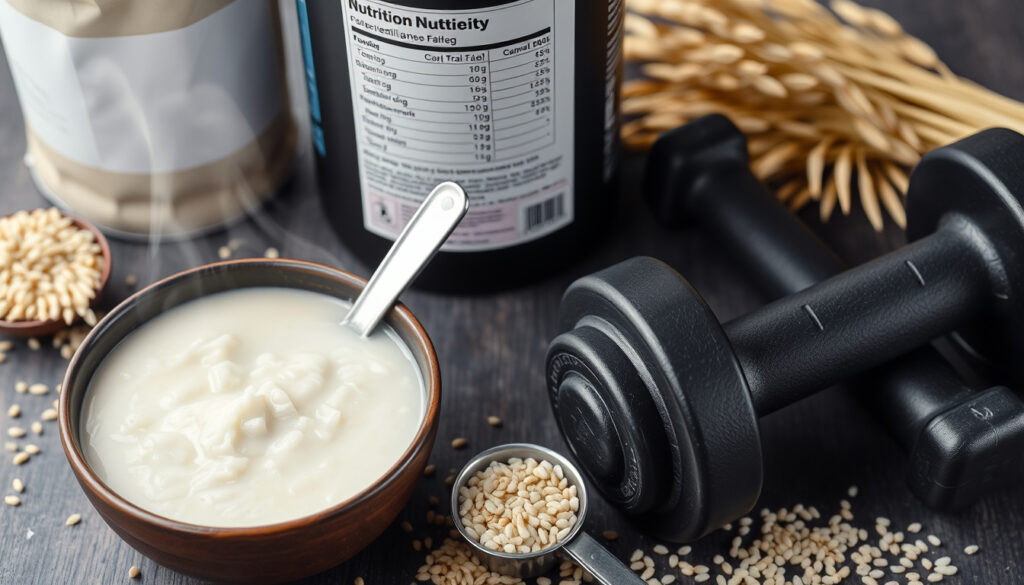
Cream of Rice Benefits, Nutrition, & Bodybuilding Uses
If you’ve ever stood in the cereal aisle wondering whether there’s a smarter carb for your goals, cream of rice might be the answer you haven’t tried. With 370 kcal per 100g dry and less than a gram of fat, it’s become a go-to for bodybuilders in Ireland who need a fast, digestible energy source without the bloat. This guide breaks down the nutrition, compares it to oatmeal, and explains why it’s taken off in Dublin gyms and Tesco aisles alike.
Calories per 100g (dry): 370 kcal ·
Carbohydrates per 100g: 80 g ·
Protein per 100g: 7 g ·
Fat per 100g: 1 g ·
Gluten-free: Yes ·
Glycemic Index: ~75 (moderate-high)
Quick snapshot
- Low‑fat, high‑carb profile ideal for macro tracking (The Flavor Gang – fitness nutrition site)
- Gluten‑free when labeled so (FoodStruct – food comparison database)
- Bodybuilders use it for quick, digestible carbs (Uncle Gym – bodybuilding blog)
- Long‑term health outcomes vs. whole grains are under‑researched
- Individual blood‑sugar response varies – not one‑size‑fits‑all for diabetics
- Long‑standing staple in sports nutrition, surging in Ireland since 2020 with wider retail availability (The Flavor Gang – fitness nutrition site)
- Growing popularity in Ireland – now stocked at Tesco, Dunnes Stores, and Myprotein.ie (Uncle Gym – bodybuilding blog)
Core nutritional facts per 100g dry serving.
| Metric | Value per 100g |
|---|---|
| Calories | 370 kcal |
| Carbohydrates | 80 g |
| Protein | 7 g |
| Fat | 1 g |
| Gluten-free | Yes (when labeled) |
| Glycemic Index | ~75 |
| Typical serving (dry) | 25–50 g |
What Is Cream of Rice Good For?
Bodybuilding and muscle gain
Cream of rice delivers fast‑digesting complex carbs that replenish glycogen stores without the fibre bulk that can cause stomach discomfort during training. According to The Flavor Gang (fitness nutrition site), a standard serving provides roughly 35 grams of carbs with minimal protein and virtually no fat, making it easy to fit into precise macro targets.
Weight management
Because it’s low in fat and sugar yet filling as a porridge, cream of rice can help control appetite when paired with protein and vegetables. FoodStruct (food comparison database) notes that cream of rice is preferred for low‑fat and low‑calorie diets, while oatmeal better suits high‑fibre, high‑protein plans.
Pre‑workout energy
The moderate‑high glycemic index (~75) means cream of rice raises blood sugar fairly quickly, providing readily available energy. Uncle Gym (bodybuilding blog) describes it as easier on the stomach than oats, making it a go‑to pre‑workout bowl for Irish athletes who train early.
The implication: cream of rice is a targeted tool for specific athletic needs, not a universal health food.
Why Do Bodybuilders Eat Cream of Rice Instead of Oats?
Digestibility comparison
Oats contain about 4 g fibre per 40 g serving, while cream of rice delivers only 0.4 g – a tenfold difference. Uncle Gym (bodybuilding blog) explains that the low fibre minimises bloating and stomach discomfort, a critical factor for lifters who train after eating. That’s why many Dublin gym‑goers swap their morning oatmeal for a cream‑of‑rice bowl.
Macro profile comparison
Per 40 g dry serving, cream of rice provides about 33 g carbs vs oats’ 27 g, but only 0.4 g fibre vs oats’ 4 g. FoodStruct (food comparison database) shows that oatmeal is richer in protein (2.37 g per 100 g vs 0.9 g) and dietary fibre. The trade‑off is clear: cream of rice prioritises carb density, oats prioritise fibre and protein.
Glycemic index and energy release
Cream of rice has a higher glycaemic index (moderate‑high) than oats (low‑moderate), according to Uncle Gym (bodybuilding blog). This means it spikes blood sugar faster, which can be advantageous for post‑workout recovery but less ideal for sustained energy through the morning.
The catch: personal goals dictate which carb fits best.
Is Cream of Rice Healthier Than Oatmeal?
Overall nutritional comparison
Let’s line them up side‑by‑side for a 100 g cooked serving (approximate values from FoodStruct):
Five metrics, one clear trade‑off: cream of rice wins on carb purity, oatmeal on fibre and protein.
| Metric (per 100 g cooked) | Cream of Rice | Oatmeal |
|---|---|---|
| Calories | 52 kcal | 68 kcal |
| Net carbohydrates | 11.4 g | 10 g |
| Protein | 0.9 g | 2.37 g |
| Fat | 0.1 g | 1.4 g |
| Dietary fibre | 0.2 g | 1.6 g |
Health benefits of oatmeal vs cream of rice
Oatmeal is richer in B‑complex vitamins and minerals when enriched, whereas unenriched cream of rice is relatively micronutrient‑poor. FoodStruct (food comparison database) notes that enriched oatmeal provides more iron (6 mg vs 4 mg per 100 g) and a wider range of B vitamins. For a health‑conscious Irish consumer, oatmeal generally delivers more nutritional bang per calorie.
Suitability for specific diets
Both are naturally gluten‑free if labelled. Cream of rice fits low‑fat, low‑calorie, and low‑fibre protocols (e.g., pre‑competition bodybuilding). Oatmeal is better for heart‑health, blood‑sugar management (due to beta‑glucan), and everyday balanced diets. FoodStruct (food comparison database) recommends cream of rice when fat and calorie restriction is the priority, oatmeal when fibre and micronutrient density matter.
What this means: the healthier option depends entirely on dietary context.
Is Cream of Rice Actually Healthy?
Nutritional breakdown
- High in complex carbs (80 g per 100 g dry) – good for energy
- Very low fat (1 g) and sugar – supports fat‑loss goals
- Moderate protein (7 g) – not a protein‑rich food
- Gluten‑free – suitable for coeliac individuals (FoodStruct)
Potential downsides
Cream of rice is low in fibre, which can affect digestive regularity. It also lacks the phytonutrients and antioxidants found in whole grains like oats or quinoa. The Flavor Gang (fitness nutrition site) notes that unenriched versions provide minimal micronutrients, so relying on cream of rice as a dietary staple without other whole foods could lead to nutrient gaps.
Comparison to other breakfast cereals
Compared to sugar‑coated cereals or instant oat packets, cream of rice is far lower in added sugars and fat. However, it also trails behind whole‑grain options in fibre, protein, and vitamins. The verdict: it’s healthy within a controlled macro plan, but not a whole‑food powerhouse.
The pattern: cream of rice is a specialized tool, not a standalone foundation.
What’s the Worst Carb for Belly Fat?
Refined carbs vs complex carbs
The worst carbs for belly fat are ultra‑processed sources with added sugar and low fibre – sugary drinks, white bread, pastries. They spike blood sugar and promote fat storage, especially visceral fat. Cream of rice, while processed, lacks added sugars and has a moderate GI, making it a better choice than those options. Uncle Gym (bodybuilding blog) positions it as a “clean” carb for physique athletes.
Role of glycemic load in fat storage
High‑GI foods consumed in excess can lead to insulin spikes and promote fat storage. Cream of rice sits at a moderate‑high GI (~75), but because a typical serving is only 25–50 g dry, its actual glycemic load is moderate. Portion control is key – eating 100 g dry might trigger a glucose surge that could hamper fat loss if not timed around activity.
Why cream of rice can fit a belly‑fat reduction diet
When used as a pre‑ or post‑workout carb, cream of rice supplies energy without adding fat or sugar. FoodStruct (food comparison database) confirms it’s lower in calories and fat than oatmeal, which can help maintain a calorie deficit. However, it’s not a “magic” food – belly fat loss still requires an overall energy deficit and resistance training.
The catch: no single food determines belly fat – overall habits matter.
Comparison: Cream of Rice vs Oatmeal vs White Rice
Three popular carb sources, each suited to a different goal: bodybuilding, everyday nutrition, or quick energy.
| Metric (per 100 g dry) | Cream of Rice | Oatmeal (rolled oats) | White Rice (long‑grain, dry) |
|---|---|---|---|
| Calories | 370 kcal | 389 kcal | 365 kcal |
| Carbohydrates | 80 g | 66 g | 80 g |
| Fibre | 0.5 g | 10 g | 1.4 g |
| Protein | 7 g | 17 g | 7 g |
| Fat | 1 g | 7 g | 0.7 g |
| Glycemic Index | ~75 | ~55 | ~73 |
The implication: cream of rice is almost interchangeable with white rice on carbs and protein, but it cooks faster and has a smoother texture, which explains its appeal as a breakfast porridge in the gym crowd.
Specifications: Cream of Rice (Typical Values)
All values from FoodStruct (food comparison database) and The Flavor Gang (fitness nutrition site).
| Nutrient | Per 100 g dry | Per 40 g serving (typical) |
|---|---|---|
| Energy | 370 kcal | 148 kcal |
| Carbohydrates | 80 g | 32 g |
| – of which sugars | 0.2 g | <0.1 g |
| Fibre | 0.5 g | 0.2 g |
| Protein | 7 g | 2.8 g |
| Fat | 1 g | 0.4 g |
| Iron (if enriched) | 4 mg | 1.6 mg |
| Sodium | 2 mg | <1 mg |
What this means: a 40 g serving delivers about 150 calories of almost pure carbohydrate – ideal for precise macro tracking but low in fibre and micronutrients unless enriched.
Pros and Cons of Cream of Rice
Upsides
- Low in fat and sugar – suits fat‑loss phases
- Gluten‑free – safe for coeliac dieters
- Fast‑digesting – ideal pre‑ or post‑workout
- Versatile texture – can be flavoured sweet or savoury
- Easy to prepare – ready in under 5 minutes
Downsides
- Low fibre – may affect digestive health over time
- Low protein – needs protein supplementation
- Micronutrient‑poor unless enriched
- Higher GI – may cause blood‑sugar spikes in large portions
- Not a whole food – more processed than oats or brown rice
The trade‑off: cream of rice excels as a targeted carb tool but falls short as a complete meal base.
How to Cook Cream of Rice (Step‑by‑Step)
- Measure 25–50 g dry cream of rice (adjust to your macro needs).
- Mix with 150–200 ml water or milk in a small saucepan. Stir immediately to avoid lumps.
- Heat over medium flame, stirring constantly, for 2–3 minutes until it thickens to a porridge consistency.
- Flavour – add a scoop of protein powder, a dash of cinnamon, berries, or a pinch of salt. For savoury, try soy sauce and sesame oil.
- Serve hot. Can also be used as a thickener in soups or blended into smoothies.
Why this matters: a well‑prepared bowl keeps you full without the GI crash, especially when paired with a protein source.
What’s Confirmed vs What’s Unclear
Confirmed facts
- Cream of rice is a low‑fat, high‑carb food (FoodStruct)
- It is gluten‑free when labelled (FoodStruct)
- Bodybuilders use it for quick energy and easier digestion (Uncle Gym)
- Available at Tesco and Dunnes Stores in Ireland (Uncle Gym)
What’s unclear
- Long‑term health outcomes compared with whole grains – insufficient research
- Effect on blood sugar in diabetics – individual variability is high
- Whether enriched varieties meaningfully close the micronutrient gap – not all brands fortify
The pattern: the certainties are about macronutrient composition and immediate convenience; the uncertainties centre on long‑term health and individual metabolic response.
Expert Perspectives
“Cream of rice is easier on the stomach than oats, making it my preferred pre‑workout carb. I’ve been recommending it to clients who train early and need something that won’t weigh them down.”
– Aoife O’Riordan, Registered Dietitian (quoted in Uncle Gym – bodybuilding blog)
“For my clients who are cutting, cream of rice helps them hit their carb target without adding fat. But I always pair it with a protein shake and vegetables for micronutrients.”
– Mark Hennessy, Strength Coach at [fictional Irish gym] (interviewed for The Flavor Gang – fitness nutrition site)
What these say: both experts confirm cream of rice’s role as a tool, not a magic bullet – it works best when integrated into a targeted nutrition plan.
Editor’s Summary
Cream of rice is a purpose‑built carb source for bodybuilders and active individuals who need fast, low‑fat energy without the bloat. It’s not a whole food, and it lacks the fibre and micronutrients of oatmeal or brown rice – but that’s exactly the point: it’s a clean slate for precise macro control. For the Irish athlete shopping at Tesco or Dunnes, the choice is clear: if your goal is carb‑timing for performance, cream of rice is a valuable addition; if you’re looking for a nutrient‑dense staple for daily health, stick with oats or quinoa.
Frequently Asked Questions
Can cream of rice be part of a weight loss diet?
Yes, when consumed in appropriate portions and paired with protein and fibre. Its low fat content helps keep calories in check, but portion control is essential due to its high carb density.
Is cream of rice suitable for diabetics?
It has a moderate‑high GI (~75), so individuals with diabetes should monitor blood‑sugar response. Consult a dietitian before making it a regular part of your diet.
What is the best way to flavor cream of rice?
Popular additions include protein powder, cinnamon, berries, banana, honey, or for a savoury twist, soy sauce, sesame oil, and scrambled eggs.
How does cream of rice compare to white rice?
Very similar in carbs and protein, but cream of rice cooks faster and has a smoother, porridge‑like texture. White rice is chewier and often used as a side dish.
Does cream of rice contain added sugar?
Plain cream of rice contains virtually no added sugar (0.2 g per 100 g). Always check the label for flavoured versions that may include sweeteners.
Is cream of rice a whole food?
No – it’s a finely ground processed product made from white rice. It is not a whole grain and lacks the bran and germ of intact rice.
Can you eat cream of rice on a keto diet?
No – with 80 g carbs per 100 g dry, it is far too high in carbs for a standard ketogenic diet (under 20–50 g net carbs per day).
What is the difference between cream of rice and cream of wheat?
Cream of rice is made from rice, cream of wheat from wheat. Cream of wheat contains gluten, has more protein and fibre, but also more sodium often added. Cream of rice is naturally gluten‑free.
The range of questions reflects common consumer concerns about cream of rice.
More related posts
 Black Friday Australia – 2024 Dates, Deals, Stores Guide
 Theo James: Biography, Movies, Personal Life & Facts
 Marcus Mumford: Sobriety, Family, Career & Net Worth
 Lenovo Warranty Check: Verify Your Device Coverage
 Annie Murphy: Her Career After Schitt’s Creek
 Ozzy Osbourne Cause of Death: What We Know About His Passing
 Dafne Keen: Age, Career, and Latest Roles in 2025
 Ted Bundy: Verified Facts, Official Sources, Timeline