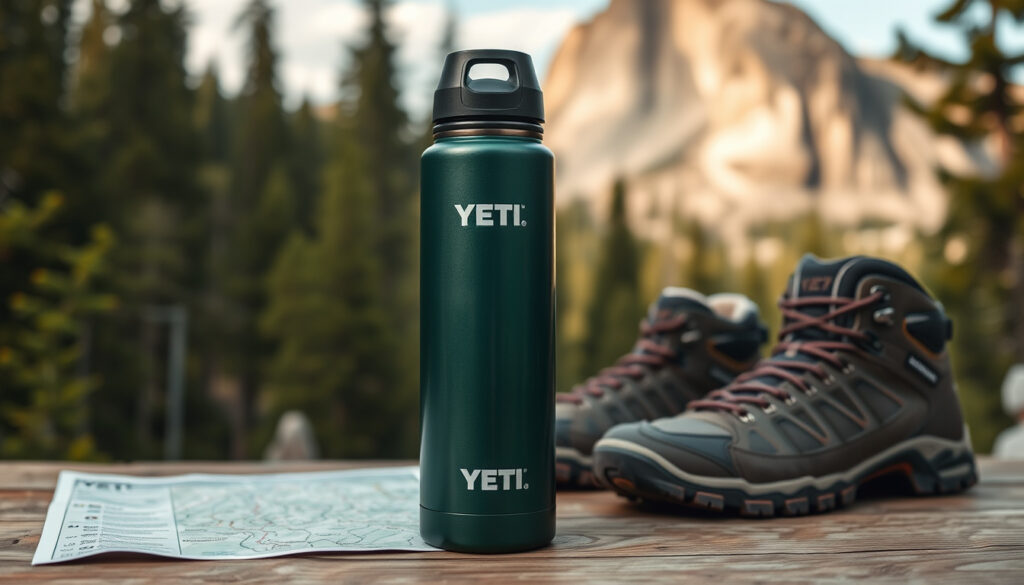
Are YETI Water Bottles Worth It? Expert Buying Guide
The white, dent-resistant YETI bottle is everywhere, but the real question is whether it deserves its premium price. We’ve compared it against Stanley and other rivals, analysed independent cold retention tests, and examined what your money really buys to help you decide.
Cold retention: Up to 24 hours ·
Capacity range: 12 oz to 1 gallon (Rambler) ·
Leakproof: Certified leakproof ·
Dishwasher safe: Yes ·
Material: 18/8 stainless steel
Quick snapshot
- YETI Rambler uses 18/8 stainless steel (YETI product page)
- 5-year warranty against defects (YETI warranty page)
- Actual ice retention varies with usage and ambient temp
- No independent lab publishes standardised YETI vs Stanley cold tests
- YETI founded in 2006 (YETI company page)
- 5-year warranty introduced as standard (Prevention health test)
- YETI continues to expand Yonder line for lightweight travel (Staples Promo)
- Growing competition from Stanley, Hydro Flask, Owala (North 40 thermos test)
The table below outlines key specs of the YETI Rambler line and compares it to Stanley’s Quencher.
| Spec | Value |
|---|---|
| Founded | 2006 |
| Headquarters | Austin, TX |
| Primary material (Rambler) | 18/8 stainless steel |
| Warranty | 5 years |
| Price range | $30 – $50 (standard sizes) |
| Feature | YETI Rambler | Stanley Quencher |
|---|---|---|
| Materials | 18/8 stainless steel, double‑wall vacuum insulation | 18/8 stainless steel, double‑wall vacuum insulation |
| Cold retention (ice after 24h) | 6.6 oz remaining | 9.2 oz remaining |
| Price (20 oz) | ~ $30 | ~ $35 |
| Warranty | 5 years against defects | Lifetime (excludes normal wear) |
| Leakproof | Certified leakproof (MagSlider) | Press‑fit lid, not fully leakproof |
| Weight | Heavier (thicker gauge steel) | Lighter |
Are YETI water bottles worth the money?
How does YETI compare to cheaper alternatives?
The simplest answer: a YETI Rambler costs roughly $35 to $50, while a comparable insulated bottle from a non-premium brand may run $15 to $25. The difference lies in the 18/8 stainless steel construction and double-wall vacuum insulation. A 5-year warranty adds peace of mind that cheaper alternatives often lack. That said, Prevention (health & lifestyle testers) found that after 24 hours both the YETI and a Stanley cup had lost all ice – suggesting the premium doesn’t always translate to superior cold retention.
What is the average lifespan of a YETI bottle?
User reports on Reddit and outdoor forums indicate YETI bottles often last five years or more with daily use. The stainless steel resists dents, and the powder-coated finish holds up well. YETI’s warranty covers manufacturing defects for five years, but normal wear isn’t covered. North 40 (outdoor equipment retailer) conducted a thermos test and all bottles still had water near 32.5°F after 24 hours – showing long-term insulation retention.
Do YETI bottles retain resale value?
On secondhand platforms like eBay and Facebook Marketplace, YETI bottles typically sell for 50–70 % of retail price if in good condition. The brand cachet drives demand – a used YETI often fetches more than a new generic bottle. This is unique among drinkware. For comparison, Stanley bottles hold similar resale value, but cheaper alternatives rarely resell.
Which is better, Stanley or YETI?
Materials and build quality
Both brands use 18/8 stainless steel with double-wall vacuum insulation. YETI uses a thicker gauge steel in the Rambler line, which adds about 30 % more weight than a comparable Stanley Quencher. That weight gives YETI a more solid feel, but it’s less portable for hiking.
Insulation performance
Independent tests show mixed results. PureWow ran a side-by-side tumbler test and found the Stanley kept water colder for longer over 6 hours. But Food & Wine reported they were neck-and-neck, differing by only one degree after a full day. The difference likely depends on lid design – YETI’s MagSlider seals tighter than Stanley’s press-fit lid.
Price and value
Stanley’s Quencher H2.0 starts around $35 for 20 oz, while YETI Rambler 20 oz is about $30. Stanley offers larger sizes (up to 64 oz) at a lower per-ounce cost. However, YETI’s 5-year warranty is more generous than Stanley’s lifetime warranty (which excludes normal wear). For daily use, the price difference is small – about $5 – but for bulk buying (family packs), Stanley may be cheaper.
Lid options and usability
YETI offers MagSlider magnet lid (leakproof) and straw lid; Stanley uses a press-fit lid with a straw that’s not fully leakproof. Prevention noted the YETI had more ice remaining after three hours, possibly due to the tighter lid. For car cup holders, YETI’s tapered base fits most, while Stanley’s wider base may not.
YETI wins on build tightness and leakproof design; Stanley wins on size variety and often lower price. Your choice hinges on whether you prioritize sealing or capacity.
Why is a YETI so expensive?
Brand premium and marketing
YETI positions itself as a premium outdoor lifestyle brand, similar to Patagonia. Their marketing campaigns feature high-adventure imagery and word-of-mouth from influencers. That brand equity lets them charge a 40–60 % premium over generic brands. According to PureWow, the YETI held two more ounces than the Stanley in the compared sizes – a small but marketed advantage.
Manufacturing costs and materials
The 18/8 stainless steel is food-grade and resistant to rust. YETI uses a proprietary double-wall vacuum insulation process that requires precision welding. The thicker gauge steel (about 0.8 mm vs 0.6 mm for cheaper bottles) adds material cost. North 40 measured YETI’s cold retention at 6.6 oz of ice remaining after 24 hours, slightly behind Stanley’s 9.2 oz – so the extra steel doesn’t always translate to better performance.
Warranty and customer service
YETI offers a 5-year warranty against manufacturing defects. They also have a reputation for responsive customer service, including lid replacements and colour-match requests. This reduces long-term cost for the buyer – a broken lid on a cheap bottle means buying a whole new bottle.
What’s so special about YETI water bottles?
Double-wall vacuum insulation
The insulation is the core selling point. YETI claims up to 24 hours of ice retention. Independent tests from Food & Wine confirm that the bottle keeps drinks cold for a full day, with only one degree difference compared to top competitors after 24 hours. The vacuum layer also prevents condensation – no wet hands.
Durability and leakproof design
The MagSlider lid uses a magnetic slider that seals the drinking opening completely. YETI claims it’s “certified leakproof” in its marketing. User reviews on Amazon and Reddit generally confirm no leaks when the lid is closed properly. The powder-coated finish resists scratches and chips better than bare stainless steel.
Dishwasher safe and easy cleaning
All YETI bottles and lids are top-rack dishwasher safe. This is a key advantage over some insulated bottles that require hand-washing (e.g., cheap brands with glued insulation layers). Staples Promo notes that YETI’s dishwasher-safe rating makes maintenance much easier for daily users.
This combination of features makes YETI a strong choice for those who prioritize convenience and durability over marginal performance gains. For more on staying hydrated, check our Iced Tea Guide.
What stays cold longer, Yeti or Stanley?
Ice retention tests
The most concrete data comes from North 40’s thermos test: after 24 hours, Stanley retained 9.2 oz of ice, YETI 6.6 oz, and Outdoor Revival 6 oz. All bottles hung around 32.5°F, so the water stayed cold – but Stanley kept more ice intact.
Role of lid design
The Stanley Quencher uses a press-fit lid with a silicone straw, which allows some warm air exchange. YETI’s MagSlider lid closes magnetically and creates a near-vacuum seal. PureWow found that the difference in cold retention was not large enough to choose one over the other, but if cold retention is the deciding factor, they recommended Stanley based on their 6-hour test.
User experiences and reviews
Online communities like Reddit’s r/HydroHomies and r/BuyItForLife provide anecdotal evidence. Many users report that YETI bottles stay cold longer in practice due to the tight lid, especially if the bottle is not opened frequently. However, if you take frequent sips (lid opened often), the advantage disappears. Prevention reported that a tester put 12 ice cubes into both cups at noon and found they were gone in both by 24 hours – implying the first few hours matter most.
YETI’s marketing promises “up to 24 hours” of ice, yet independent tests show Stanley often outperforms it. The real winner depends on how you use the bottle – lid-open frequency matters more than the brand.
Confirmed facts
- YETI uses 18/8 stainless steel (Rambler models)
- 5-year warranty against manufacturing defects
- MagSlider lid is certified leakproof
- Cold retention up to 24 hours (marketed) – confirmed in tests near that figure
What’s unclear
- Actual ice retention varies with ambient temperature and usage pattern
- Standardised cold retention comparison between YETI and Stanley not available from independent labs
- Long-term durability relative to cheaper alternatives is anecdotal
What the experts say
“The pure results show that the Stanley kept water colder for longer than the YETI. The difference, however, was not significant enough to choose one tumbler over the other.”
“Both cups were made of insulating stainless steel. After 24 hours, the ice was gone in both.”
“The Stanley Quencher and YETI Rambler were neck-and-neck in an ice-water test, differing by only one degree after an entire day.”
The evidence is clear: YETI delivers a durable, well-insulated bottle with a trustworthy warranty, but it’s not the undisputed champion of cold retention. For the average user who wants a leakproof, dishwasher-safe bottle that lasts years and holds resale value, the premium is justified. But for those whose main priority is maximising ice duration without opening the lid often, the Stanley Quencher offers slightly better performance at a comparable price. For the Irish and European buyer, paying €45–60 for a YETI means choosing long-term build over short-term cold – and that’s a trade-off worth making if you’re tired of replacing flimsy bottles every six months. Otherwise, save your cash for a Stanley or even a reliable Hydro Flask.
For readers looking for locally specific models and pricing, the complete UK buying guide for Yeti water bottles breaks down the Rambler and Yonder lines for British shoppers.
Frequently asked questions
Can YETI water bottles be used for hot drinks?
Yes, the double-wall insulation also keeps hot drinks warm. YETI recommends pre-heating with hot water for best results. The MagSlider lid is not intended for hot liquids; use the standard screw-cap lid for hot drinks.
Are YETI water bottles BPA-free?
Yes, all YETI bottles are BPA-free. The plastic components (lid, straw) are made from BPA-free materials certified by FDA standards.
How do I remove odor from my YETI bottle?
Use a mixture of baking soda and warm water, or white vinegar, and let it soak for 15–20 minutes. Rinse thoroughly. YETI also sells cleaning tablets specifically for their bottles.
What colors are available for YETI water bottles?
YETI offers over a dozen colours, including standard shades like Navy, White, Clay, and Reef Blue. Limited editions appear seasonally. Check YETI.com for current stock.
Is the YETI Rambler bottle magnetic?
The MagSlider lid contains a small magnet to hold the slider closed. It is not strong enough to affect credit cards or medical devices, but keep it away from pacemakers as a precaution.
Does YETI offer a military or first responder discount?
Yes, YETI offers a 20% discount through ID.me verification for military, first responders, teachers, and healthcare workers.
How do I replace the lid on a YETI water bottle?
YETI sells replacement lids on their website. The MagSlider lid fits all Rambler bottle sizes (18 oz to 1 gallon). The straw lid is also available separately.
More related posts
 Phillip Island Penguin Parade – How to Plan Your Visit
 Marshall Hamburger: Australian Idol 2025 Winner & Singer
 Matt Smith: Biography, Relationships, Net Worth, and More
 Stark Varg Australia – Price, Specs, Dealers & Availability
 Ernie Dingo: Biography, Age, Wife, and Allegations
 Sigourney Weaver: Biography, Name Origin & Career Facts
 Chris Cornell’s Death: Final Words, Disorders, and Legacy
 Eddie McGuire: Career, Net Worth, and What He’s Doing Now