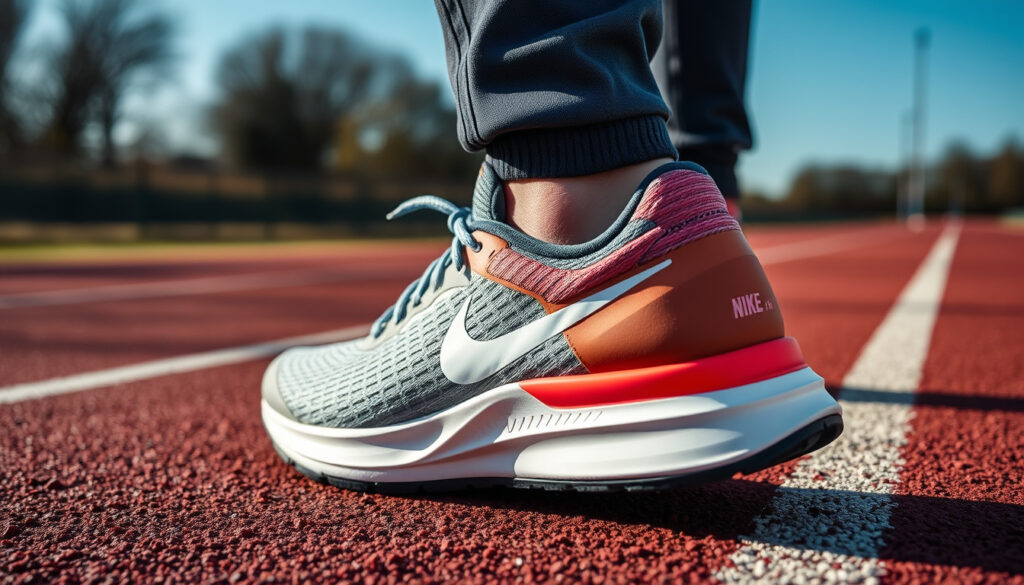
Nike Pegasus 40 Review: Comparisons, Specs & Guide
If you’ve logged serious miles in previous Pegs, you already know the drill—the firm midsole, the no-nonsense ride, the shoe that just works. The Nike Pegasus 40 isn’t trying to reinvent anything. It refines what was already reliable, swapping the old upper for something softer and stretchier without touching the React foam formula underneath.
The Pegasus 40 hits the sweet spot between 39’s tight fit and 41’s maximum cushion—a dependable daily trainer for runners who want consistent performance without frills.
Price: $130 (US) · Weight: 9.4 oz (men’s) · Heel Drop: 10mm
Quick snapshot
- Available for men and women, true to size (Running Shoes Guru)
- Heel-to-toe drop sits at 10mm, heel stack 33mm, forefoot 23mm (Running Shoes Guru)
- Heel stack 33mm, forefoot stack 23mm, both verified via lab testing (Chloe Hamard)
- Official Nike specs for Pegasus 41 weights (only rumored figures from reviewers)
- Exact Pegasus 42 release timeline—Nike has not confirmed a successor
- Pegasus 40 launched April 2023 at $130 (WearTesters)
- Pegasus 41 followed with higher stack and ReactX foam (rumored, not officially confirmed by Nike) (WearTesters)
Key specifications and retail pricing for the Nike Pegasus 40 are detailed in the table below.
| Spec | Value |
|---|---|
| Model | Air Zoom Pegasus 40 |
| Price Point | $130 (US) / £119.95 (UK) |
| Primary Use | Road running |
| Upper Material | Breathable mesh |
| Cushioning | Nike React foam + Zoom Air |
| Heel Stack | 33mm |
| Forefoot Stack | 23mm |
| Heel Drop | 10mm |
What is the Nike Pegasus 40 good for?
The Pegasus 40 is built as a daily workhorse—a neutral road runner that handles easy miles, tempo sessions, and everything in between. RunRepeat’s lab data puts the React foam at 17.6 HA hardness (top 18% softest among tested shoes), delivering a cushioned but firm feel rather than a plush race-day bounce. Energy return checks in at 55.2% heel and 61.5% forefoot—solid mid-range figures.
Road running performance
Outsole grip performs well in both wet and dry conditions, with RunRepeat recording a 0.45 wet traction score. The outsole also scores high on durability while remaining malleable enough (12.4N bend test) for natural foot flexion. Outdoor Gear Lab’s review notes the ride runs firmer than competitors, calling it “no frills” but reliable for workouts and longer efforts up to half-marathon distance.
Daily training suitability
Available in narrow, standard, wide, and extra-wide widths, the Pegasus 40 accommodates a range of foot shapes. Top4Running.ie highlights how the redesigned midfoot strap and new lacing create a more secure lockdown than the 39. Irish runners can find the model through retailers like Top4Running.ie, with ambassador reviews praising the upper improvements.
The Pegasus 40 won’t win awards for liveliest ride or softest cushioning, but it delivers consistent performance across the mileage spectrum—from recovery jogs to race-pace efforts.
Is Pegasus 40 or 41 better?
The gap between Pegasus 40 and 41 is primarily stack height and foam formulation. Pegasus 41 bumps heel stack from 33mm to 37mm and forefoot from 23mm to 27mm, paired with ReactX foam in the heel (softer than standard React) while keeping the forefoot firmer.
Key differences
Video comparisons show the 41 riding noticeably higher and flatter, with a wider base that solves the narrow-fit complaints many had with the 40. The 41’s midsole measures 24mm foam plus 3mm outsole versus the 40’s 20mm plus 3mm configuration. Heavier runners or those wanting maximum cushioning will notice the difference; neutral-cushion seekers may prefer the 40’s lower profile.
Performance upgrades
Pegasus 41 reviewers consistently describe a smoother heel-to-toe transition and more stable platform. The trade-off: added weight. US size 9 reportedly hits around 283g (about 10 oz), pushing further from the lightweight end compared to the 40’s 9.4 oz. If you prioritize responsive road feel over maximum cushioning, the 40 still holds its own.
Pegasus 41 addresses fit complaints about prior models, but the 40’s lower stack and lighter weight still appeal to runners who want a more traditional daily trainer feel.
Which is better, Pegasus 39 or 40?
The Pegasus 40 improves on its predecessor in one key area: the upper. Running Shoes Guru’s head-to-head comparison confirms the 40 uses softer, stretchier mesh that accommodates wider feet better than the 39’s tighter construction. The sole units are otherwise identical—both employ React foam midsoles with heel and forefoot Zoom Air units.
Cushioning changes
Lab testing shows the 40 at 9.4 oz (men’s), just 0.2 oz heavier than the 39’s 9.2 oz. Both share the same 10mm drop and stack heights. The 40’s cushioning profile remains firm and balanced rather than plush—Outdoor Gear Lab describes it as “dull” compared to more cushioned competitors but reliable for demanding sessions.
Upper improvements
Top4Running.ie notes the 40’s upper is noticeably thicker than the 39 with redesigned lacing that distributes pressure more evenly across the midfoot. The redesigned midfoot strap enhances lockdown without the pinch points some testers reported in the 39. One trade-off: the 40’s more breathable mesh lets in more debris than the 39’s tighter weave.
If the 39’s upper fit you fine, the 40’s sole won’t justify an upgrade. If you struggled with the 39’s narrow midfoot, the 40’s accommodation makes it worth switching.
How often should I replace my Pegasus 40s?
Nike recommends replacing running shoes every 300–500 miles depending on weight, gait, and surface. For a daily trainer like the Pegasus 40 logging typical easy runs, most runners will hit the 400–500 mile range before midsole compression noticeably reduces cushioning and energy return.
Wear indicators
RunRepeat’s durability testing rates the Pegasus 40 outsole as highly durable, but midsole breakdown isn’t visible. Watch for increased impact harshness on familiar routes, flattened heel bevel, or new knee or shin soreness that wasn’t present earlier in the shoe’s life. When the outsole lugs show significant wear, the midsole is likely already compromised.
Nike guidelines
Nike’s official guidance aligns with the 300–500 mile window, though heavier runners or those with aggressive pronation may see reduced lifespan. For half-marathon training blocks or high-mileage weeks, inspect your shoes every 200 miles for early warning signs.
Is the Pegasus 40 suitable for everyday wear?
The Pegasus 40 transitions well from pavement to casual settings. Its clean lines and range of colorways work for everyday styling, while the cushioned React foam makes all-day standing or walking comfortable. The breathable mesh keeps feet cool, and the secure midfoot lockdown means no hot spots from loose fit.
Casual use pros
RunRepeat notes the Pegasus 40’s plush, breathable upper works equally well for quick errands or extended walks. The shoe’s moderate cushioning handles concrete and hard surfaces better than minimal-drop alternatives, making it a practical option for people who want one shoe to handle both running and daily activities.
Versatility
The 40’s versatility stems from its neutral platform—neither too aggressive for casual wear nor too cushioned for serious training. The wide width options ensure a comfortable fit beyond athletic use, while the durable outsole handles non-running surfaces without premature wear.
The Pegasus 40 being more accommodating and more comfortable than the Pegasus 39.
— Running Shoes Guru (Running Shoes Guru)
It’s pretty no frills and has a firmer ride than other options, but it will reliably get the job done.
— Outdoor Gear Lab (Outdoor Gear Lab)
The Pegasus 39 was already a well-executed shoe that was difficult to improve upon, but the Pegasus 40 offers even more comfort.
— Top4Running.ie (Top4Running.ie)
Pegasus 40: Key Comparisons
Three models dominate the Pegasus lineup in 2024—here’s how they stack up on the metrics that matter most.
The comparison below highlights the progression across three Pegasus generations, with stack heights and foam technology evolving to address runner feedback.
| Spec | Pegasus 39 | Pegasus 40 | Pegasus 41 |
|---|---|---|---|
| Heel Stack | Not specified | 33mm | 37mm |
| Forefoot Stack | Not specified | 23mm | 27mm |
| Heel Drop | 10mm | 10mm | 10mm |
| Weight (men’s) | 9.2 oz | 9.4 oz | ~10 oz (rumored) |
| Midsole Foam | React | React | ReactX (heel) |
| Upper Feel | Tighter, snug | Plusher, wider accommodation | Wider base, more stable |
| Price (US) | $130 | $130 | $140 |
The pattern shows each iteration adds stack height and softens the heel cushioning while keeping the 10mm drop constant. The 40 hits the sweet spot between 39’s tight fit and 41’s maximum cushion.
Upsides
- Comfortable, breathable upper with multiple width options
- Reliable React foam + Zoom Air combo for responsive road feel
- Durable outsole performs well in wet conditions
- True to size fits most runners without adjustment
- Versatile enough for daily training and casual wear
- Strong audience score (85/100) on RunRepeat
Downsides
- Firmer ride than maximally cushioned competitors
- Heavier than some alternatives at 9.4 oz
- More breathable mesh lets in more debris
- Not the liveliest option for race-day performance
- Sole identical to 39—upper improvement only
Related reading: Hilux GR Sport Review
youtube.com, youtube.com, youtube.com, youtube.com, youtube.com
Frequently asked questions
What are the specs of the Nike Pegasus 40?
The Pegasus 40 features a 33mm heel stack, 23mm forefoot stack, 10mm drop, Nike React foam with two Zoom Air units, and a breathable mesh upper. Men’s weight: 9.4 oz. Available in multiple width options.
How does the Nike Pegasus 40 compare to Pegasus 38?
Pegasus 40 improves on the 38 with a redesigned upper featuring softer mesh, new lacing system, and a redesigned midfoot strap for better lockdown. The 40 also introduced the thicker, more accommodating upper that distinguishes it from earlier models.
Is Nike Pegasus 40 good for long runs?
Yes. RunRepeat rates it suitable for up to half-marathon distances, and Outdoor Gear Lab confirms it handles longer efforts. The firm-but-responsive cushioning works for sustained efforts, though runners wanting maximum plushness may prefer Pegasus 41.
What sizes are available for Nike Pegasus 40?
Nike offers the Pegasus 40 in narrow, standard, wide, and extra-wide widths for both men’s and women’s versions. The shoe fits true to size in classic Nike fashion.
Does Nike Pegasus 40 have good traction?
RunRepeat lab testing scores the outsole at 0.45 for wet traction—a solid figure indicating reliable grip on damp surfaces. The outsole also rates highly for durability.
Is there a wide fit Nike Pegasus 40?
Yes. Nike provides wide and extra-wide width options for the Pegasus 40, addressing fit complaints from earlier models in the series.
What colors does Nike Pegasus 40 come in?
Nike releases seasonal colorways throughout the year. Standard options include neutral black, white, and grey variants, with brighter accent colorways released periodically.
Bottom line
The Nike Pegasus 40 refines a winning formula rather than revolutionizing it. The upgrade over the 39 comes down to the upper—plusher, more accommodating, better lockdown—while the sole carries over unchanged. For runners who struggled with the 39’s narrow fit, the 40 fixes that. For everyone else, the 40 remains the reliable daily trainer the Pegasus line has always been: firm, consistent, versatile. Pegasus 41 raises the cushioning bar, but at 9.4 oz and $130, the 40 still delivers everything most runners need for daily road work.
For Irish runners, availability runs through retailers like Top4Running.ie, with UK pricing at £119.95. The Pegasus 40 sits comfortably in Nike’s classic mid-range neutral daily trainer position—the best-selling slot the series has owned for years.
More related posts
 Jameela Jamil: Biography, Disability, Controversies, and More
 Mount Lofty Summit Guide: Height, History & Views
 Mitchell Marsh: Wife, Kids, 52-Beers Story & Family
 Hello Kitty Cafe Melbourne: Permanent Location & Menu
 Steve Irwin Cause of Death: Facts, Last Words, and Timeline
 Holiday Inn Express Adelaide: Parking & Breakfast Info
 Jelly Roll Pardon: Conviction, Wife, Net Worth, Children
 Tatiana Schlossberg’s Acute Myeloid Leukemia Battle